
A South Asian university teaching hospital · India
Strengthening procedural competency and sign-off in ENT, otoscopy and surgical skills with task trainers
- 3
- BE product lines deployed
- Complementary
- Added to existing manikin fleet
- Built-in
- Automatic competency assessment
- Clinician-reported
- More consistent sign-off
“We didn't want to replace our manikins — we needed focused procedural trainers our people could repeat as often as they liked, with objective feedback. Adding ENT, otoscopy and surgical task trainers let us make competency practice far more consistent.”
Note: this is a representative, anonymized deployment. The hospital is described by type and region rather than named, and outcomes are reported qualitatively — as clinician-reported observations and deployment facts, not as audited statistics.
The challenge
A South Asian university teaching hospital wanted to strengthen procedural competency and sign-off for trainees in ENT, otoscopy and surgical skills, and to do early practice off live patients. Its existing simulation estate covered full-body manikins but lacked dedicated procedural task trainers for these specialties, and throughput at examination and competency checkpoints was a constraint.
The approach
The hospital's simulation center added focused procedural task trainers to complement — not replace — its existing manikin fleet, choosing trainers with built-in assessment so that competency practice and sign-off could happen on the same station. Selection prioritized repeatability and objective performance feedback.
What was deployed
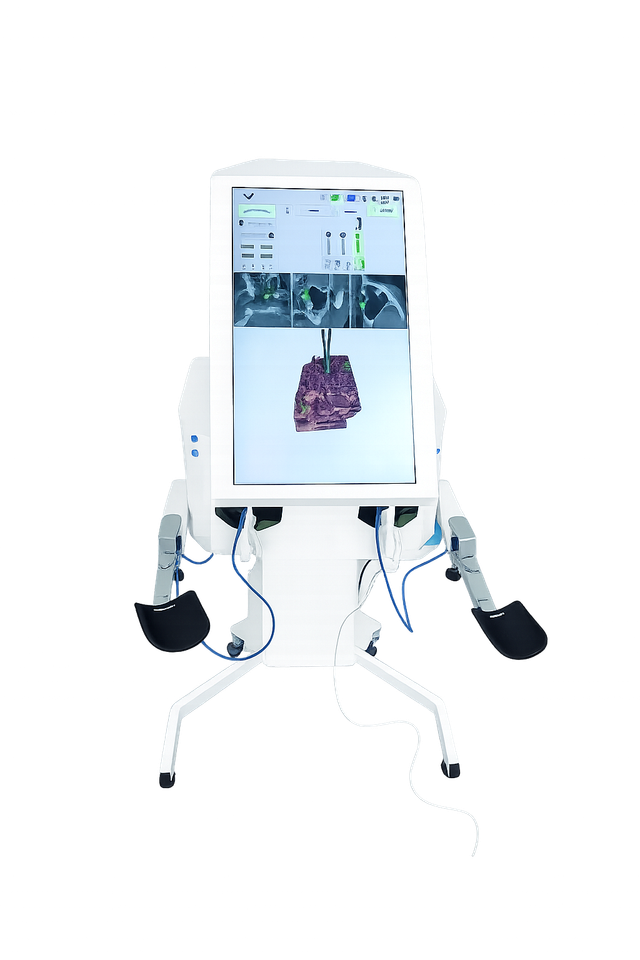
- BE ENT for endoscopic ENT procedural practice.
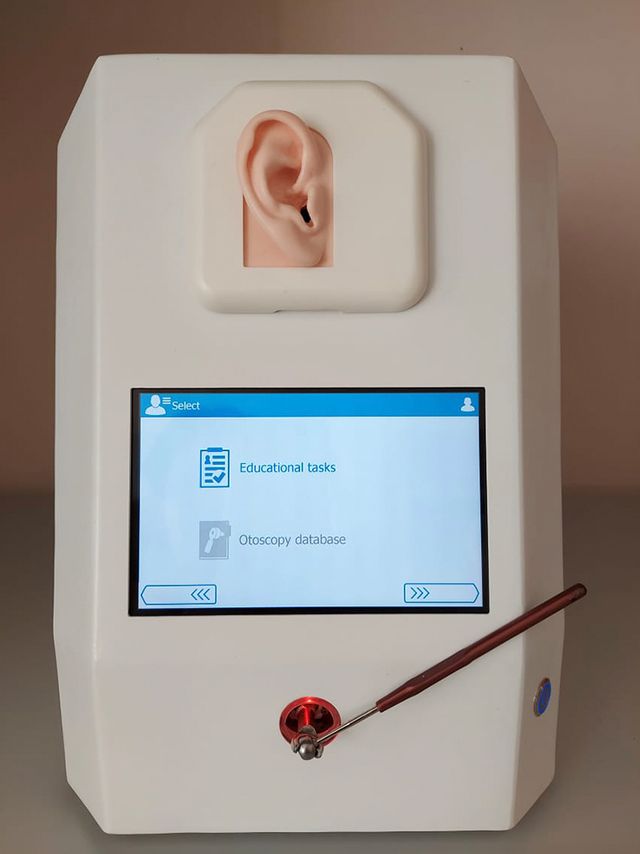
- BE OTO for otoscopy training with automatic performance evaluation, used for both practice and competency sign-off.
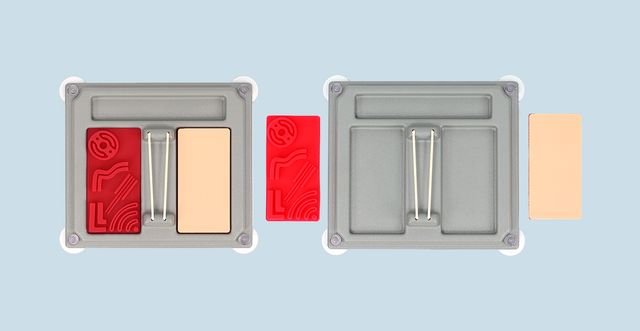
- BE SURG modular task trainers for open and laparoscopic surgical skills.
How it is used
Trainers are run as scheduled procedural stations integrated into the center's existing competency program. Because the otoscopy trainer evaluates performance automatically, faculty use it to standardize practice and to support objective sign-off, freeing examiner time for higher-level assessment. The new trainers sit alongside the hospital's current manikins rather than displacing them.
Outcome (qualitative)
Clinical educators report that trainees can rehearse procedures repeatedly before performing them on patients, and that built-in assessment makes competency practice more consistent across trainees. The deployment is positioned as a targeted complement to the hospital's broader simulation program.
Considering a similar program?
Tell us about your institution and we will tailor a deployment plan.