
A Gulf-region medical university · United Arab Emirates
Replacing shrinking cadaver supply with synthetic and virtual-patient training across years 1–3
- 3
- BE product lines deployed
- Years 1–3
- Curriculum stages covered
- Multi-year
- Curriculum integration
- Faculty-reported
- Improved OSCE readiness
“We needed every student to get hands-on anatomy and examination practice without waiting on cadaver supply. Building it into the curriculum across the first three years — rather than buying a single trainer — is what actually changed how prepared they are.”
Note: this is a representative, anonymized deployment. The institution is described by type and region rather than named, and outcomes are reported qualitatively — as faculty-reported observations and structural facts of the deployment, not as audited statistics.
The challenge
A Gulf-region medical university faced a shrinking and increasingly costly supply of cadaveric material for gross anatomy and early clinical-examination teaching, alongside growing cohort sizes. Faculty wanted a way to give every student repeatable, hands-on exposure to anatomy and basic clinical examination ahead of OSCEs, without depending on limited cadaver availability or live-patient access for early-years practice.
The approach
Working with BeMedSkilled, the university mapped its pre-clinical and early-clinical curriculum stages to a synthetic and virtual-patient toolset rather than buying point solutions. The goal was integration across years 1–3, not a one-off purchase, so the selection was driven by curriculum objectives and station throughput.
What was deployed
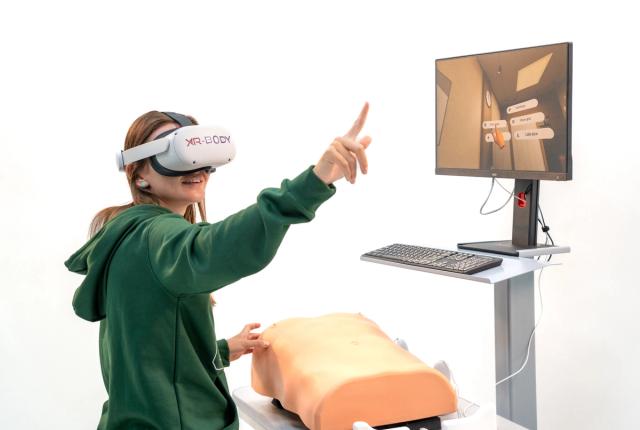
- BE GP for clinical-examination and virtual-patient practice (adult and pediatric cases), used to build history-exam-diagnosis reasoning before students reach real patients.
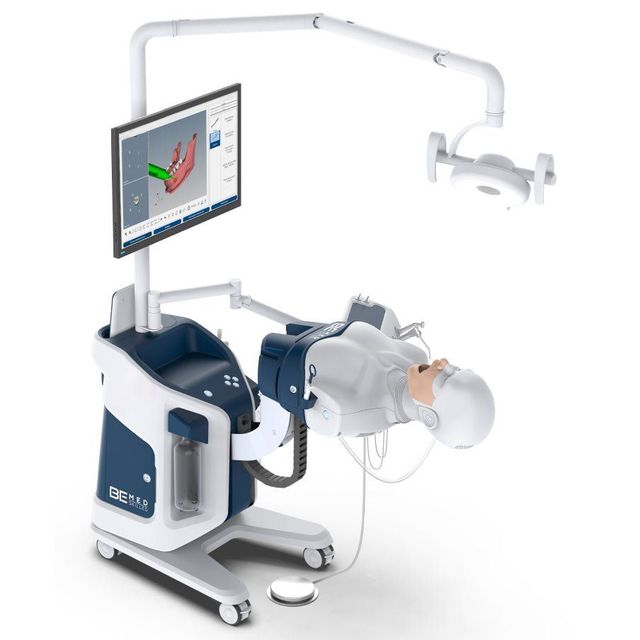
- BE DENT for procedural dental training within the relevant programs.
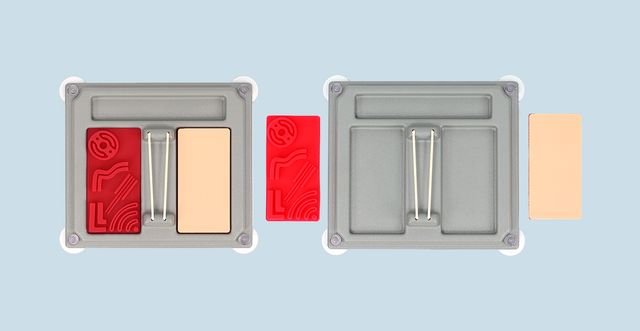
- BE SURG modular task trainers for early surgical-skills exposure.
How it is used
The trainers are timetabled into pre-clinical and early-clinical blocks and configured as repeatable practice stations ahead of OSCEs. Because the equipment is available on the university's own schedule, students can repeat examinations and procedures as many times as needed, and faculty use the same stations for formative checks.
Outcome (qualitative)
Faculty report that students arrive at OSCE stations better rehearsed in examination sequence and procedural handling, and that the program is less exposed to fluctuations in cadaver supply. The deployment is structured as a multi-year curriculum integration rather than a single purchase, which the department views as the durable win.
Considering a similar program?
Tell us about your institution and we will tailor a deployment plan.