
Equip every stage of your medical curriculum — from pre-clinical anatomy to OSCE-ready assessment
One simulation partner to map task trainers across years 1–5, ease the cadaver gap, lift OSCE performance, and produce the evidence your accreditation review expects.
Challenges we hear
Shrinking cadaver supply and rising costs
Bequest programmes are declining while prosection and storage costs climb, leaving gross-anatomy and early clinical teaching short of the hands-on hours students need.
Students underperform under OSCE conditions
Learners who know the theory still stumble at examined stations because they have had too few repeatable, examiner-realistic reps before the high-stakes assessment.
Accreditation reviews demand demonstrable competency
Programmatic and national accreditation increasingly asks for documented simulation-based teaching and assessment — not just lecture hours — and self-study reports need that evidence in hand.
Capital requests must be justified to a committee
A finance or curriculum committee will not approve equipment on enthusiasm alone; deans need cost-per-learner, lifecycle, and curriculum-coverage figures to defend the spend.
Faculty lack time to build and run new stations
Even motivated educators are stretched thin, so trainers that arrive without scenarios, examiner guidance, or onboarding sit underused in a cupboard.
How we help
Curriculum-stage mapping, not a parts list
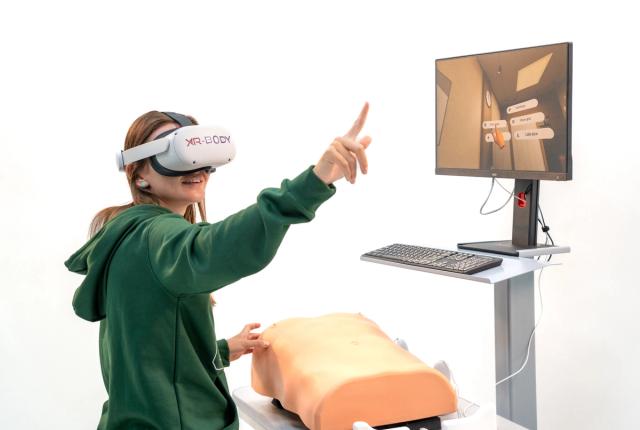
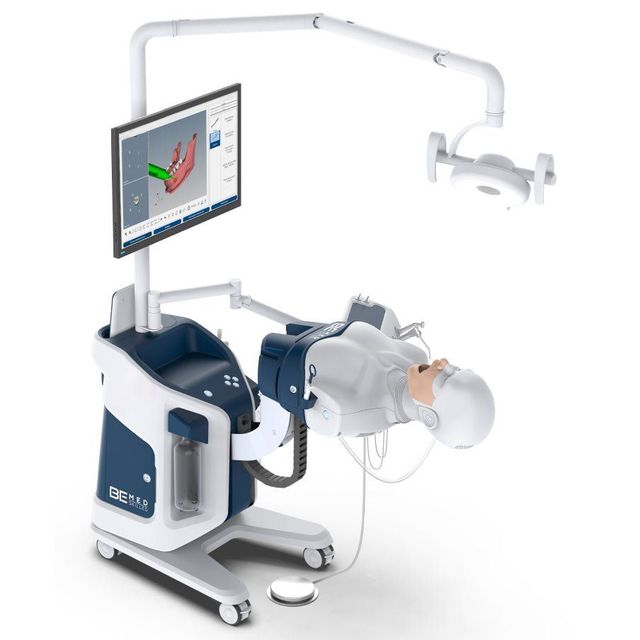
We map specific task trainers to each year and competency — pre-clinical anatomy, clinical skills, and OSCE stations — so every purchase ties to a learning outcome you can defend.
A synthetic and reusable anatomy layer
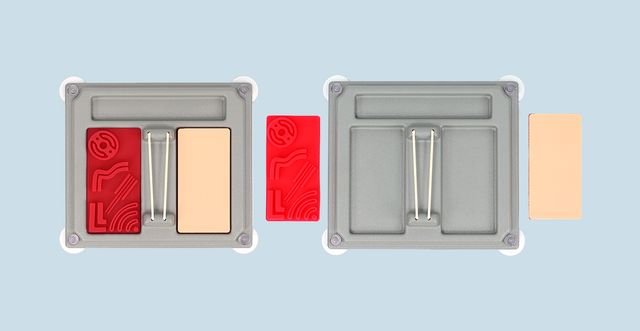
Durable, repeatable anatomy and procedural trainers supplement cadaveric teaching, giving every student unlimited reps without per-use consumable or ethical constraints.
OSCE-aligned stations examiners accept
Trainers and scenarios are built around examined competencies and station formats, so practice conditions mirror the real assessment and pass-rate gains are real, not artefacts.
Committee- and accreditation-ready justification
We provide the cost-per-learner, curriculum-coverage, and lifecycle documentation deans need to win committee approval and to evidence simulation-based teaching in self-study reports.
Our methodology
Curriculum mapping workshop
We sit with your curriculum leads to map competencies, examined stations, and current gaps year by year, then identify exactly where simulation adds the most value.
Scoped demo and faculty pilot
Faculty trial the recommended trainers on real teaching scenarios, so educators — not just buyers — confirm fit before any commitment, and you gather internal evidence for the committee.
Installation and faculty enablement
We deliver, install, and train your educators and technicians, handing over ready-to-run scenarios and examiner guidance so stations are in use from week one, not gathering dust.
Measure outcomes and iterate
We help you track utilisation, station throughput, and OSCE performance over the first cohorts, producing the outcome evidence that supports accreditation and the next phase of investment.
Featured case
A Gulf-region medical university
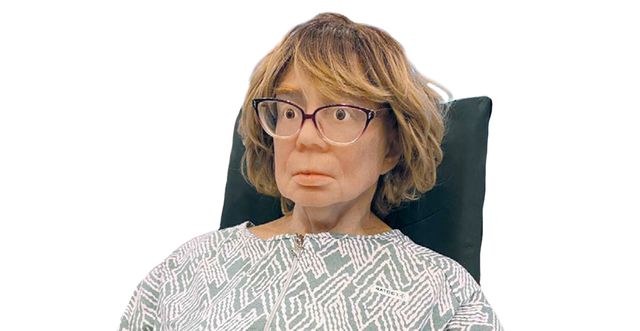
Replacing shrinking cadaver supply with synthetic and virtual-patient training across years 1–3
“We needed every student to get hands-on anatomy and examination practice without waiting on cadaver supply. Building it into the curriculum across the first three years — rather than buying a single trainer — is what actually changed how prepared they are.”
- 3
- BE product lines deployed
- Years 1–3
- Curriculum stages covered
- Multi-year
- Curriculum integration
Recommended resources
Frequently asked questions
How does simulation fit alongside our existing cadaveric and clinical teaching?
It supplements rather than replaces. Synthetic and task trainers give every student unlimited, repeatable reps for anatomy and procedural skills, freeing scarce cadaveric and clinical placement time for the moments where they matter most.
We map trainers to your specific curriculum stages so they complement — not duplicate — what you already teach.
Will using these trainers help with our accreditation review?
Accreditation bodies increasingly expect documented simulation-based teaching and assessment. Our trainers come with scenarios and examiner guidance you can cite directly in a self-study report.
We also provide utilisation and outcome documentation so you can evidence not just that simulation exists in the curriculum, but that it is used and is improving competency.
How do we justify the cost to a curriculum or finance committee?
We give you the figures committees actually ask for: cost-per-learner, expected lifecycle and consumable costs, and the share of curriculum competencies the equipment covers.
Because the trainers are durable and reusable, the per-student cost falls every year they are in service — a stronger case than single-use or per-cadaver alternatives.
Our faculty are already overstretched. How much work is this to run?
We hand over ready-to-run scenarios, examiner checklists, and station setup guidance, and we train both educators and technical staff during installation.
The aim is that stations are usable on day one without an educator having to author content from scratch.
Can the trainers be aligned to OSCE stations and examined competencies?
Yes. We build station scenarios around your examined competencies and OSCE formats so practice conditions mirror the assessment, which is what turns practice reps into real pass-rate gains.
What about warranty, spares, and ongoing support?
Every product ships with a manufacturer warranty, available spares and consumables, and a documented support route. We plan spares and consumable budgets with you up front so there are no surprises mid-year.
Lead times depend on configuration and destination; we confirm a realistic delivery and installation timeline during the consultation.
Can materials and support be provided in our local language?
Yes. Product information, scenarios, and supporting documentation are available in multiple languages, and we work with regional partners so procurement, delivery, and after-sales support are handled locally.
Ready to talk?
Tell us your goals and we will recommend the right setup and equipment.